

Marine Paint for Cargo Ships
Marine Paint for Cargo Ships: Performance, Selection & Global Supply Solutions
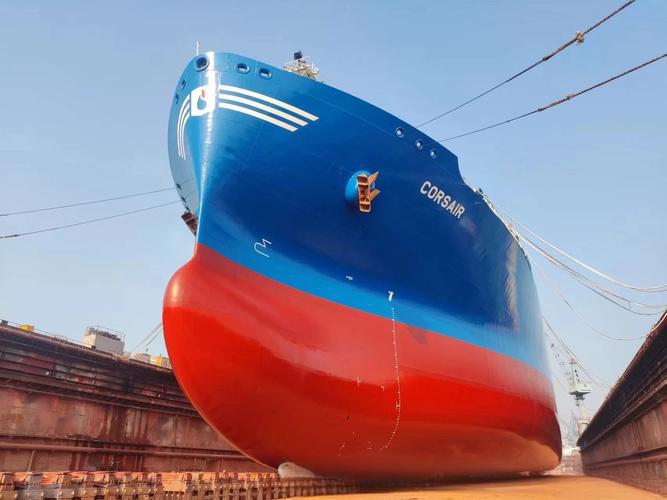
In today’s thriving global shipping industry, cargo ships serve as the backbone of international trade. Their hull protection and maintenance directly impact navigation safety, transport efficiency, and operational costs. Marine paint for cargo ships — as a critical protective material — must deliver exceptional weather resistance, corrosion inhibition, and abrasion durability, while complying with stringent requirements across different sailing regions, cargo types, and environmental regulations. This article provides an in-depth analysis of core paint categories, performance standards, selection guidelines, and procurement recommendations tailored for international exporters.
1. Core Categories of Marine Paint for Cargo Ships and Their Applications
Different ship areas demand specialized paint formulations. Based on application zones, marine paints are classified into the following key types:
1. Oil Tank Coating: Dual Protection Against Oil and Corrosion
For vessels transporting crude oil or refined products, tank coatings are paramount. The market primarily offers three types:
Epoxy Asphalt Tank Coating: Composed of epoxy resin and coal tar pitch, this coating delivers high adhesion, exceptional resistance to mineral oils, seawater, and alternating immersion. H54-31 black epoxy asphalt paint, certified by the China Classification Society (CCS), is widely used in fuel oil tanks, crude oil tanks, and ballast water tanks — especially suited for ships carrying heavy fuel.
Polyurethane Tank Coating: Offers superior chemical resistance and gloss retention, with excellent flexibility to accommodate hull deformation. Ideal for vessels operating in both long-haul and coastal routes.
Solvent-Free Epoxy Paint: Features ultra-low VOC emissions, meeting the latest International Maritime Organization (IMO) environmental standards. Its zero-residue curing process prevents contamination of high-purity cargoes, making it the preferred choice for transporting aviation fuel or specialty chemicals.
2. Hull Coating: Defense Against the Marine Environment
The ship’s exterior endures constant exposure to salt, humidity, UV radiation, biofouling, and friction. A multi-layer system is essential:
Anti-Corrosion Primer: The foundational layer, typically epoxy zinc-rich primer, provides cathodic protection to steel substrates, halting rust propagation.
Antifouling Paint: Releases biocides or utilizes low-surface-energy technology to prevent barnacles, algae, and mollusks from attaching. For example, AkzoNobel’s Intersleek®1100SR employs a “slime-release” patent, free of biocides, improving fuel efficiency while minimizing ecological impact.
Hull Topcoat: Must resist UV degradation and mechanical impact. Polyurethane topcoats maintain color and gloss for over a decade in harsh marine conditions.
3. Deck and Dry Cargo Hold Coating: Balancing Wear Resistance and Safety
Deck Paint: Epoxy deck paint is the industry standard — tough, oil-resistant, and seawater-proof. Additives like silica sand or rubber granules enhance slip resistance, especially critical for helicopter decks and high-traffic zones.
Dry Cargo Hold Paint: Varies by cargo type. For grain transport, use non-toxic, food-grade epoxy asphalt coatings. For mineral or coal cargoes, opt for high-hardness, abrasion-resistant epoxy coatings.
2. Key Performance Standards and Certifications
To ensure safety and compliance, marine paints must meet international and national benchmarks:
IMO PSPC (Performance Standard for Protective Coatings): Enforced since 2013, this standard mandates minimum 15-year coating life in ballast tanks. Key requirements: adhesion ≥3 kgf/cm², salt spray resistance >600 hours.
Chinese National Standards: GB/T 31820-2015 for crude oil tank coatings, aligned with GB 190 (hazardous goods labeling) and GB/T 8923.1 (steel surface preparation).
Classification Society Certification: Certifications from CCS (China Classification Society), DNV (Det Norske Veritas), and ABS (American Bureau of Shipping) are mandatory for global market access.
3. Selection Guide for Marine Paint
When selecting paint, consider:
Sailing Region: Tropical routes require UV-stable, heat-resistant coatings; polar routes demand low-temperature curing formulations.
Cargo Type: Chemical carriers need chemically resistant coatings; food-grade cargoes require non-toxic, FDA-compliant paints.
Environmental Regulations: EU and U.S. markets enforce strict VOC limits — choose low-VOC or solvent-free options.
Total Cost of Ownership: High-performance paints reduce dry-docking frequency and fuel consumption. Efficient antifouling coatings can cut fuel use by 5–10%.
4. Global Market Landscape and Procurement Advice
The marine coating market is dominated by global leaders: Jotun, AkzoNobel, Hempel, and PPG, controlling over 90% of the high-end segment. Chinese brands like Shuangrui Coatings are rapidly gaining share through innovation and cost efficiency.
For exporters, prioritize:
Certification Compliance: Ensure products carry IMO PSPC and relevant classification society approvals.
Technical Support: Choose suppliers offering coating system design, application training, and post-sales service.
Supply Chain Reliability: Opt for vendors with global logistics networks to ensure timely delivery.
Customization Capability: Advanced clients require tailored formulations — verify R&D capacity.
5. Conclusion
Marine paint for cargo ships is not merely a protective layer — it is a strategic asset influencing safety, efficiency, and profitability. As global shipping accelerates toward decarbonization, low-VOC, high-durability, and eco-friendly coatings are becoming the industry norm. As a professional exporter, we provide a full range of internationally certified marine paints and end-to-end technical support — helping you reduce operational costs and strengthen your global competitiveness.